
Aug 29, 2026Industry News & QT Updates
Solid Carbide End Mills: Are They Worth the Higher Price?
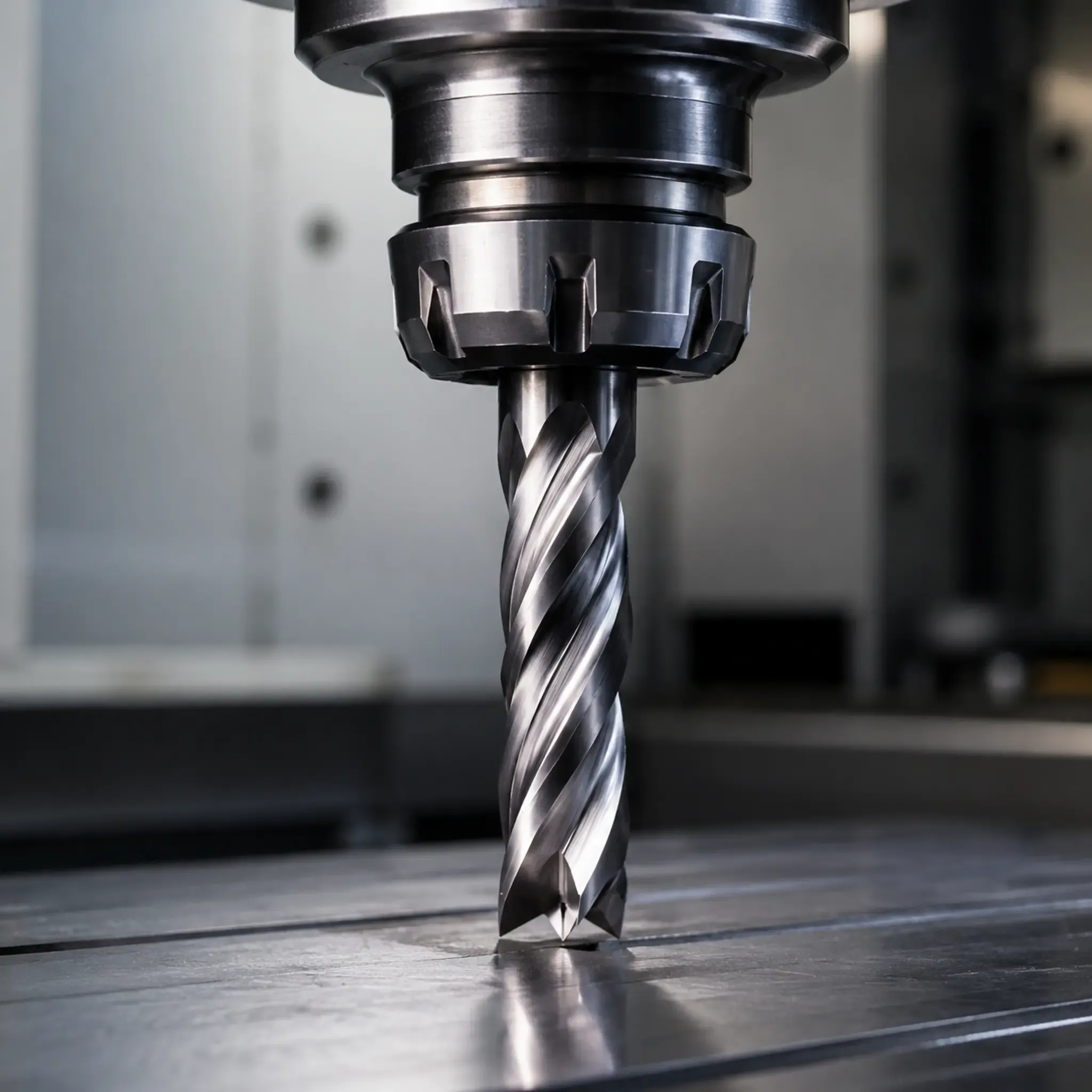
Are your machining costs eating into your profit margins, making it harder to compete? Many purchasing managers try to solve this by sourcing cheaper tools, only to find that it leads to more downtime, frequent tool changes, and costly scrapped parts. The solution isn't a cheaper tool, but a smarter investment in high-quality solid carbide end mills that can dramatically improve your total production efficiency and lower your true cost-per-part[1].
Yes, high-quality solid carbide end mills are worth the investment because their higher initial price is quickly offset by significant reductions in total manufacturing costs. They enable faster machining speeds, longer tool life, and improved part quality[2], which leads to a lower cost-per-part, increased machine capacity, and greater overall profitability for your operation.
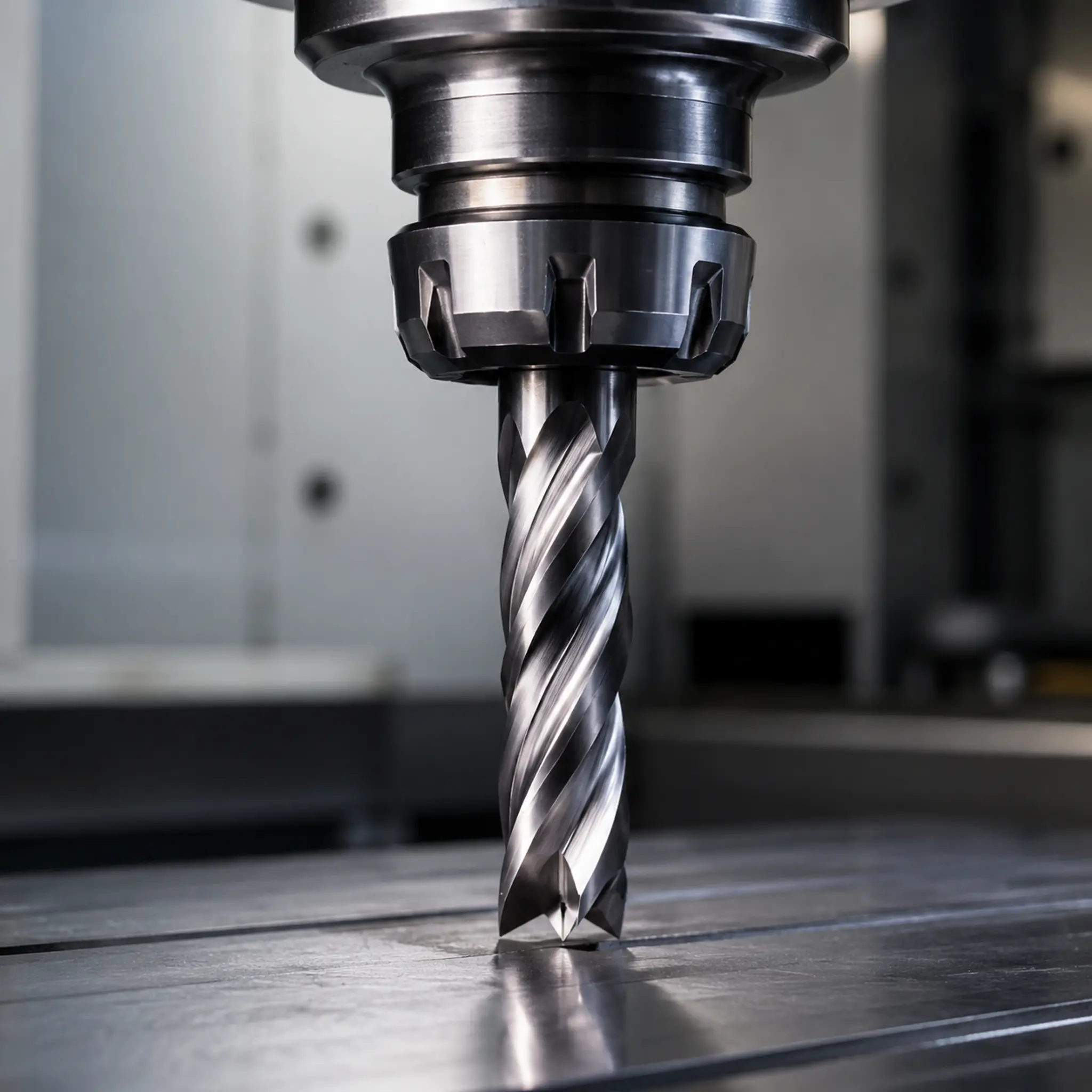
This might seem counterintuitive, especially when you're under pressure to reduce expenses. However, focusing only on the purchase price of a tool is a common trap. Let's break down the real math behind this investment and explore how the right tooling partner can become a source of profit, not just a line item on an invoice.
How Do You Calculate the True Cost of a Cutting Tool?
Do you look at the invoice for your cutting tools and see it as a major expense to be minimized? It's a tempting and common perspective, but it overlooks a much larger financial reality. The cost of the tool itself is often just the tip of the iceberg.
The true cost of a cutting tool isn't its price tag; it's the sum of the tool's cost plus all the operational costs it influences, such as machine time, labor, setup time, and the cost of any scrap it produces.[3] This is often referred to as the Total Cost of Ownership (TCO).[4]

Dive Deeper: Beyond the Unit Price
For years, I've visited shop floors where the primary metric for tooling procurement was unit cost. The logic seems sound: if Tool A costs 40, you save money by buying Tool A. But this logic falls apart the moment you put the tool in the spindle. Machining isn't about saving a few dollars on a tool; it's about making profitable parts as efficiently as possible.
The most expensive resource in any machine shop is time—specifically, machine time.[5] A CNC machine might cost anywhere from 200 per hour to run when you factor in depreciation, power, maintenance, and the operator's wage.[6]
Let's do the math on a simple, hypothetical scenario. Imagine you need to produce 1,000 parts. Your machine hour rate is $100.
Metric | "Budget" End Mill | "Performance" Solid Carbide End Mill |
|---|---|---|
Tool Cost | $20 | $50 |
Tool Life (Parts) | 100 parts | 500 parts |
Tools Needed | 10 tools | 2 tools |
Total Tool Spend | $200 | $100 |
Cycle Time per Part | 5 minutes | 3 minutes |
Total Machine Time | 5,000 minutes (83.3 hrs) | 3,000 minutes (50 hrs) |
Total Machine Cost | $8,330 | $5,000 |
Scrap Rate | 2% (20 parts) | 0.5% (5 parts) |
Total Job Cost | $8,530 + Scrap | $5,100 + Scrap |
As you can see, the "cheaper" tool created an illusion of savings. In reality, its poor performance cost the business over $3,400 in extra machine time alone, not to mention the higher scrap rate and the labor cost of 8 extra tool changes. The premium solid carbide end mill, despite being more expensive per unit, was demonstrably the more profitable choice. This is the conversation that moves a business forward.
Can Premium Solid Carbide End Mills Really Lower Your Cost-Per-Part?
It's one thing to see numbers in a table, but it's another to believe it can happen in your facility. You've likely heard sales pitches promising the world, so skepticism is a healthy defense mechanism. Can a tool that costs twice as much really make you more money?
Absolutely. A premium tool lowers your cost-per-part by increasing your throughput.[7] By running at higher speeds and feeds and lasting longer between changes, it allows you to produce more parts in the same amount of time[8], effectively lowering the cost allocated to each individual part.
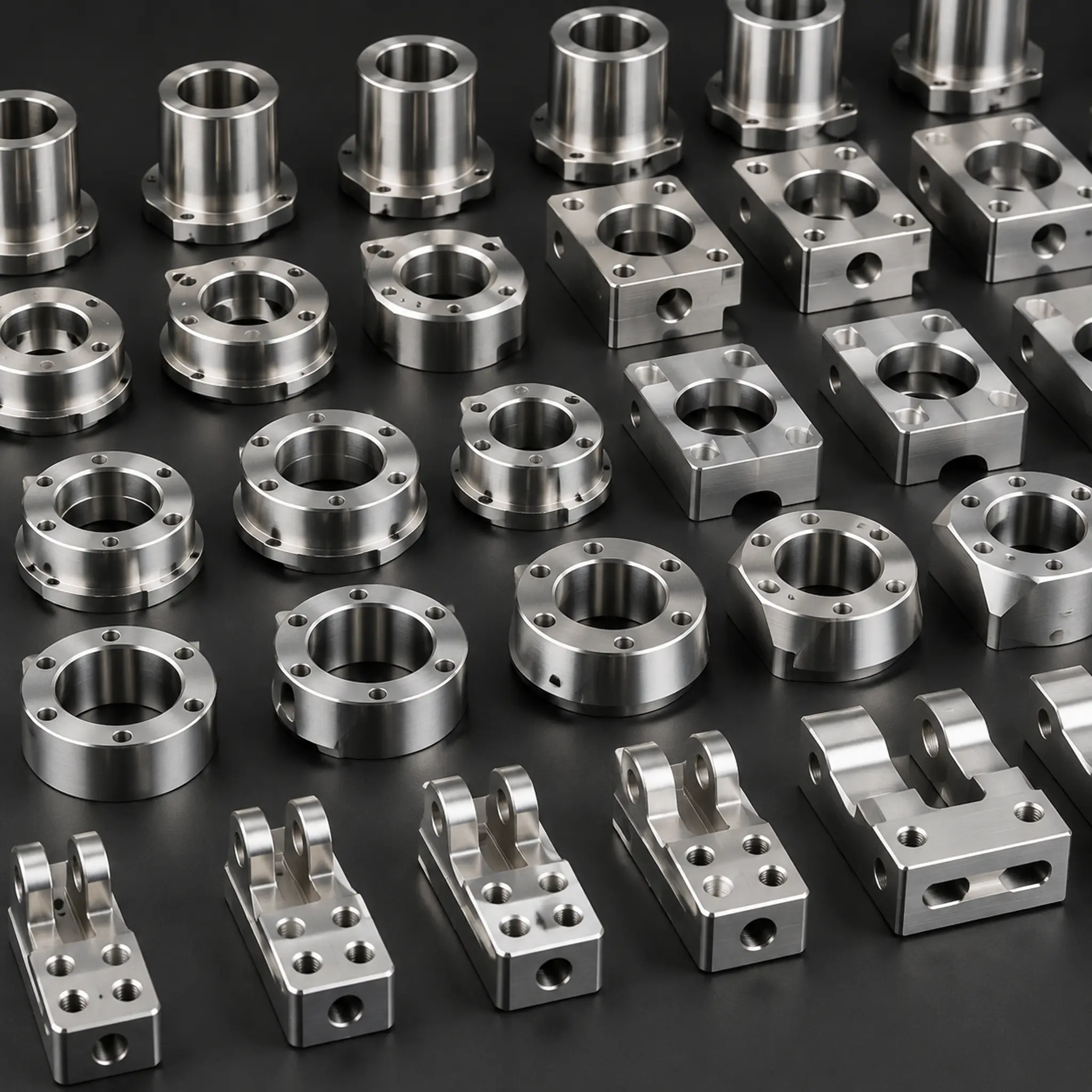
Dive Deeper: A Real-World Example
I remember working with a new client who manufactured aerospace components from 7075 aluminum. They were using a general-purpose, low-cost end mill and were struggling with profitability on a high-volume job. Their cycle time was too long, and they were constantly fighting chatter and poor surface finish, leading to a high rejection rate.
They were focused on the tool's 75. They saw it as tripling their tooling cost. I saw it as slashing their production cost.
We proposed a controlled test. We didn't change the machine, the program, or the operator. We only changed the tool to one designed specifically for high-speed machining of aluminum, featuring a unique flute geometry and a specialized polished coating.
Here's what happened:
Metric | Before (Generic Tool) | After (QT TOOLS Performance Tool) | Improvement |
|---|---|---|---|
Spindle Speed (RPM) | 8,000 | 15,000 | +87.5% |
Feed Rate (IPM) | 100 | 250 | +150% |
Cycle Time per Part | 12 minutes | 6.5 minutes | -45.8% |
Parts per 8-hr Shift | 40 | 73 | +82.5% |
Tool Life | 4 hours (20 parts) | 12 hours (110 parts) | +200% |
Cost-Per-Part (Tooling) | $1.50 | $0.68 | -54.7% |
The technical features—the polished flutes for better chip evacuation[9], the specific helix angle to reduce cutting forces[10], the coating that resisted material buildup[11]—weren't just jargon. They were the engine of profitability. The client could now produce almost twice as many parts per shift on the same machine. This didn't just make the current job more profitable; it freed up machine capacity for them to take on new work. The $75 tool wasn't an expense; it was an investment with a massive, measurable return.
What Should You Expect from a Supplier of Solid Carbide End Mills?
Is your current tooling supplier just a voice on the phone who takes an order and sends an invoice? When a problem arises—chatter, poor tool life, a broken tool—are you left to solve it on your own? This transactional relationship is a relic of the past and leaves immense value on the table.
You should expect your tooling supplier to be a partner in your profitability. They should act as an expert technical consultant, one who understands your applications, diagnoses production bottlenecks, and recommends solutions that directly improve your bottom line. Their success should be tied to your success.
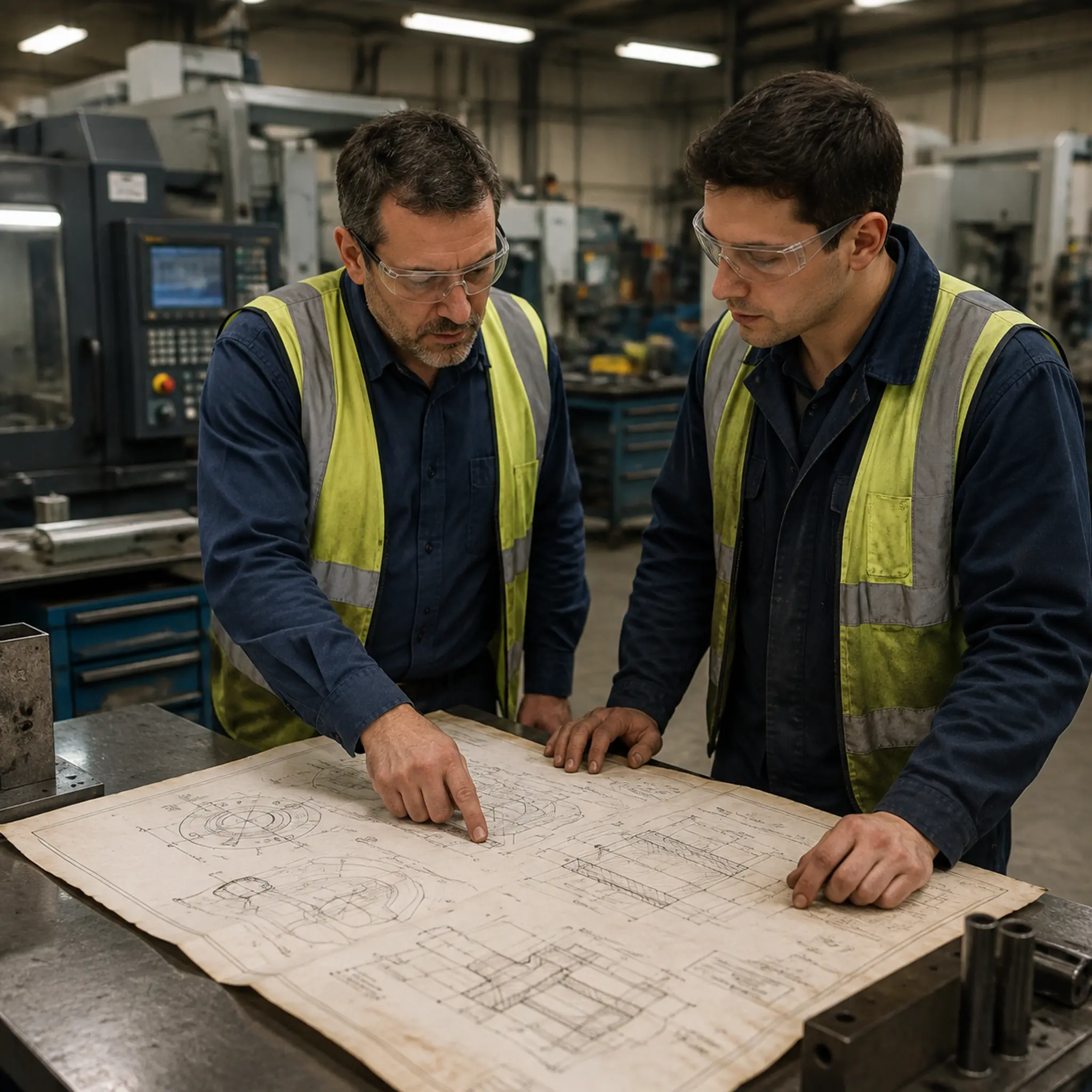
Dive Deeper: The Partner vs. The Peddler
A "tool peddler" sells you what you ask for. A "tooling partner" asks you what you're trying to achieve. In my role, I find the most rewarding work happens on the customer's shop floor, not from behind a desk. It's about looking at a process and asking the right questions:
- Where is your biggest bottleneck in this process?
- What is your target cycle time or cost-per-part?
- What is your most common reason for tool failure?
- What are your quality control and surface finish requirements?
A true partner in solid carbide end mills provides a service that extends far beyond the product itself. This includes:
- Application Review: Analyzing your materials, machines, and production goals to ensure you're not just using a "good enough" tool, but the optimal tool.
- Process Optimization: Providing expert recommendations on cutting parameters (speeds, feeds, depth of cut) to maximize the performance of the tools they supply. This is where experience and technical knowledge create value.
- Troubleshooting Support: When you encounter an issue, they should be your first call, ready to help diagnose the problem, whether it's related to the tool, the holder, the programming, or the workpiece.
- Testing and Validation: A good supplier will support you in conducting controlled tests (like the example above) to prove the value of a proposed solution before you commit to a full production run.
- Inventory and Logistics: Working with you to ensure you have the tools you need, when you need them, reducing the risk of stock-outs and production delays.
At the end of the day, the supplier's job is to make your job easier and your business more profitable. If they are only focused on selling you more units, they are not a partner. If they are focused on improving your cost-per-part, you've found a valuable asset.
Frequently Asked Questions
Are there times when a cheaper, general-purpose end mill is the better choice?
Yes, absolutely. For low-volume jobs, one-off prototypes, or machining in less demanding materials where cycle time is not a critical driver of cost, a less expensive tool can be perfectly adequate. The key is to match the tool's performance level to the economic demands of the job.
How can I test a new, premium end mill without risking a full production run?
Start with a controlled, documented test. Use a single machine, establish a baseline with your current tool, and then switch to the new tool, using the supplier's recommended parameters. Monitor tool life, cycle time, and part quality. This data-driven approach removes guesswork and proves the ROI.
What's more important: the carbide grade or the tool's coating?
This is like asking if the engine or the transmission is more important in a car. Both are critical and must work together. The carbide substrate provides the tool's fundamental strength and heat resistance, while the coating reduces friction, prevents material adhesion, and protects against wear.[12] The best tool has the right combination for your specific application.
How much difference does the tool's geometry (flutes, helix angle) actually make?
It makes an enormous difference. The geometry dictates how the tool engages the material and, most importantly, how it evacuates chips. Poor chip evacuation is a primary cause of tool failure, heat buildup, and poor surface finish. Specialized geometries are designed to solve these specific problems for different materials.
Conclusion
Choosing the right cutting tool is not an expense to be minimized; it's an investment in your company's efficiency and profitability. By shifting your focus from the unit price of a tool to its impact on your Total Cost of Ownership and cost-per-part, you can unlock significant savings and boost your production capacity. The true value of premium solid carbide end mills is not in the tool itself, but in the efficiency, quality, and throughput they enable. The right supplier is a partner who helps you realize this value.
At QT TOOLS, we are committed to being that partner. We combine high-quality products with professional competence to help our customers gain a competitive advantage. If you're ready to move from a cost-focused to a profitability-focused approach for your machining operations, contact our team today. Let's analyze your application and find the solution that will improve your bottom line.
1
"Cost and Process Information Modeling for Dry Machining", https://tsapps.nist.gov/publication/get_pdf.cfm?pub_id=821121. Independent machining-cost analyses identify cutting speed, tool life, tool-change frequency, and machine utilization as major contributors to unit manufacturing cost, supporting the general claim that higher-performing cutting tools can lower cost per part when they improve these variables. Evidence role: general_support; source type: research. Supports: A neutral source should support that tool performance, tool life, cutting parameters, and machine time can materially affect machining cost per part.. Scope note: This would provide contextual support for the economic mechanism, not proof that every high-quality solid carbide end mill will lower costs in every application.
2
"Cutting conditions and tool wear when machining wood ...", https://bioresources.cnr.ncsu.edu/resources/cutting-conditions-and-tool-wear-when-machining-wood-based-materials/. Machining studies on carbide end mills report that tool material, geometry, coating, and cutting parameters influence permissible cutting speeds, tool wear, and surface finish, providing general support for the stated performance advantages. Evidence role: general_support; source type: paper. Supports: A peer-reviewed machining study should support that carbide tool material and optimized end-mill design can permit higher cutting speeds and affect tool life and surface finish.. Scope note: The evidence would be application-dependent because results vary by workpiece material, tool geometry, coating, machine rigidity, and cutting conditions.
3
"New NIST Tool for Estimating Manufacturing Industry Costs ...", https://www.nist.gov/news-events/news/2020/01/new-nist-tool-estimating-manufacturing-industry-costs-beta-version. Manufacturing cost-estimation frameworks commonly treat tooling cost as one component of a broader production cost that also includes machine time, labor, setup, and quality losses such as scrap. Evidence role: definition; source type: government. Supports: A government or standards-based manufacturing-cost source should define machining cost as including machine time, labor, tooling, setup, and scrap or quality losses..
4
"Total Cost of Ownership: How It's Calculated With Example", https://www.investopedia.com/terms/t/totalcostofownership.asp. Total Cost of Ownership is generally defined as the full cost of acquiring and using an asset over time, including purchase price and associated operating or lifecycle costs. Evidence role: definition; source type: encyclopedia. Supports: A neutral reference should define Total Cost of Ownership as including acquisition costs and ongoing operating or lifecycle costs.. Scope note: The definition supports the accounting concept, not any specific end-mill cost outcome.
5
"CNC Machining Cost Explained - Premium Parts", https://www.premiumparts.com/blog/cnc-machining-cost-explained-factors-calculations-smart-savings-for-engineers. Machining cost models typically allocate a substantial share of unit cost to machine-hour time, including equipment, labor, overhead, and utilization assumptions, supporting the claim that machine time is a key cost driver. Evidence role: general_support; source type: research. Supports: A manufacturing-cost model should support that machine-hour cost is a major contributor to part cost in machining operations.. Scope note: The source may not prove machine time is the single most expensive resource in every shop, since cost structure varies by equipment, labor rates, and production mix.
6
"How Much Does It Cost to Run a CNC Machine Per Hour?", https://cncmachines.com/cost-to-run-cnc-machine-per-hour?srsltid=AfmBOoqjRYwVgYDz7Cd14oxlVu1FAj-Ydf464h1-z7XgxtTBjlofwEd9. Manufacturing cost-estimation references calculate CNC machine-hour rates from factors such as capital depreciation, labor, overhead, power, and maintenance, and published examples often place shop rates in the tens to hundreds of dollars per hour. Evidence role: statistic; source type: education. Supports: A university or manufacturing-extension source should provide typical CNC machining hourly cost ranges or explain how machine-hour rates are calculated from depreciation, labor, power, and maintenance.. Scope note: The exact 200 range is context-dependent and varies by region, machine type, utilization, and accounting method.
7
"Machining success requires a productive balance | Seco Tools", https://www.secotools.com/article/machining_success_requires_a_productive_balance?language=en. Machining economics literature links cutting parameters and cycle time to production rate and unit cost, supporting the mechanism by which a tool that increases throughput can lower cost per part. Evidence role: mechanism; source type: paper. Supports: A machining economics paper should support that reduced cycle time and increased throughput can reduce the allocated machine and labor cost per part.. Scope note: This supports the economic mechanism rather than confirming that any particular premium tool will achieve the claimed savings.
8
"Speeds and feeds", https://en.wikipedia.org/wiki/Speeds_and_feeds. Machining theory relates cutting speed and feed rate to material removal rate and cycle time, while tool life influences interruptions for tool replacement, supporting the claim that higher usable parameters and longer life can increase output per unit time. Evidence role: mechanism; source type: education. Supports: A machining textbook or university resource should explain that feed rate and cutting speed affect material removal rate and cycle time, while tool life affects downtime for tool changes.. Scope note: The relationship assumes the machine, workholding, coolant, program, and part-quality requirements can safely accommodate the higher parameters.
9
"End Mills for Aluminum: Why 2 and 3 flutes Win - Sonic Tools", https://soniclp.com/toolin-around-sonic/end-mills-for-aluminum-why-2-and-3-flutes-win/. Research on end-mill geometry and chip flow indicates that flute design and surface condition influence chip evacuation and cutting stability, providing technical context for the use of polished flutes in aluminum machining. Evidence role: mechanism; source type: paper. Supports: A machining study should support that flute geometry and flute surface condition affect chip flow or evacuation, particularly in aluminum milling.. Scope note: The source may support flute-condition effects generally rather than directly testing the specific tool described in the article.
10
"Research on Cutting Force Modeling and Machining Performance ... - PMC", https://pmc.ncbi.nlm.nih.gov/articles/PMC12388261/. Studies of end-milling mechanics show that cutter helix angle affects chip formation and cutting-force components, supporting the claim that helix-angle selection can be used to manage cutting forces. Evidence role: mechanism; source type: paper. Supports: A peer-reviewed paper should support that helix angle affects cutting-force components in end milling.. Scope note: Whether a given helix angle reduces forces depends on material, radial engagement, axial depth, tool diameter, and cutting parameters.
11
"Characterization and Evaluation of Engineered Coating ... - PMC", https://pmc.ncbi.nlm.nih.gov/articles/PMC9415707/. Machining research reports that low-friction or anti-adhesion tool coatings can reduce workpiece material adhesion and built-up edge formation under appropriate cutting conditions. Evidence role: mechanism; source type: paper. Supports: A machining or tribology paper should support that certain tool coatings reduce adhesion, friction, or built-up edge formation when machining materials such as aluminum.. Scope note: The support is coating-specific; not all coatings resist buildup equally, and performance depends on workpiece alloy and process conditions.
12
"Coating Cutting Tools with Hard Substance Lowers Friction Co ...", https://www.academia.edu/63131405/Coating_Cutting_Tools_with_Hard_Substance_Lowers_Friction_Co_efficient_and_Improves_Tool_Life_A_Review. Manufacturing materials references describe cemented carbide as a cutting-tool substrate valued for hardness, strength, and hot-hardness, while coatings are used to reduce friction, adhesion, oxidation, and wear at the tool-workpiece interface. Evidence role: mechanism; source type: education. Supports: A materials or manufacturing reference should explain the roles of cemented carbide substrates and tool coatings in cutting-tool performance.. Scope note: This supports the general material functions, not the performance of a specific carbide grade or coating formulation.