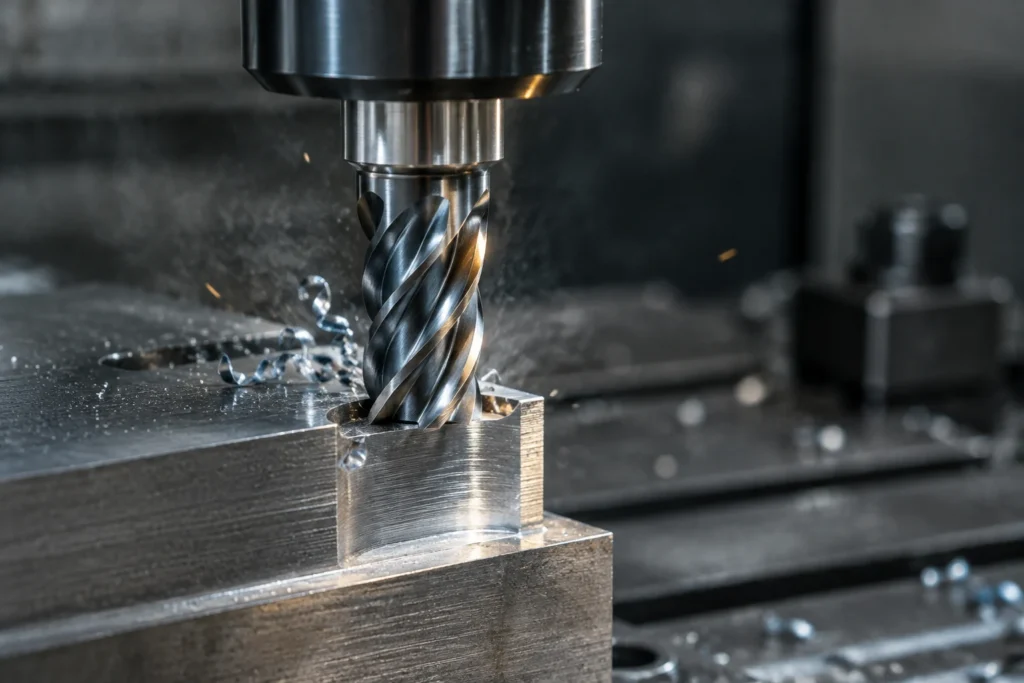
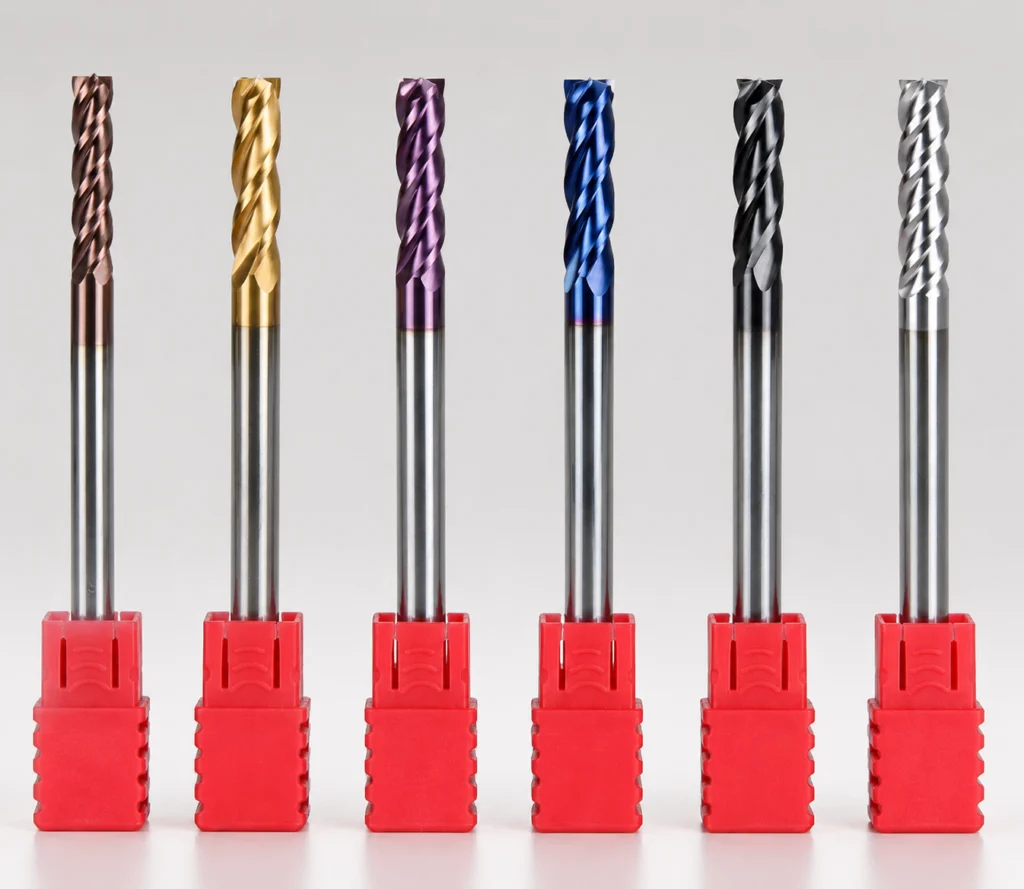
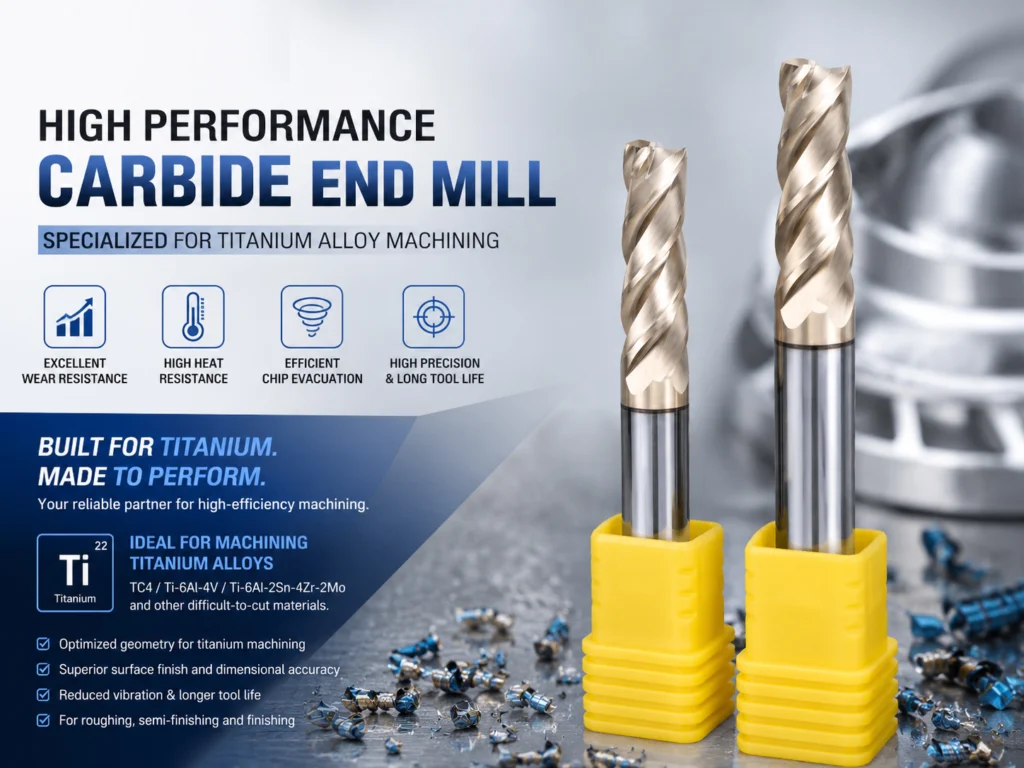
Choosing the right endmill is critical in metalworking, as it strongly impacts productivity, tool life, and overall costs. Yet, misunderstanding key factors like material quality and application requirements often leads to poor purchasing decisions. This article will address common misconceptions about endmills, explain their types and uses, and provide actionable advice for selecting the right tool.
Endmills are cutting tools designed for precision machining in metalworking applications.
Understanding the nuances of different endmill designs can help avoid costly mistakes and optimize your production outcomes. Let’s dive into the key considerations.
Overview of End Mill Types
Selecting an endmill begins with recognizing its type and purpose. Are you roughing out material fast or finishing with exquisite detail? Each type serves a distinct function.
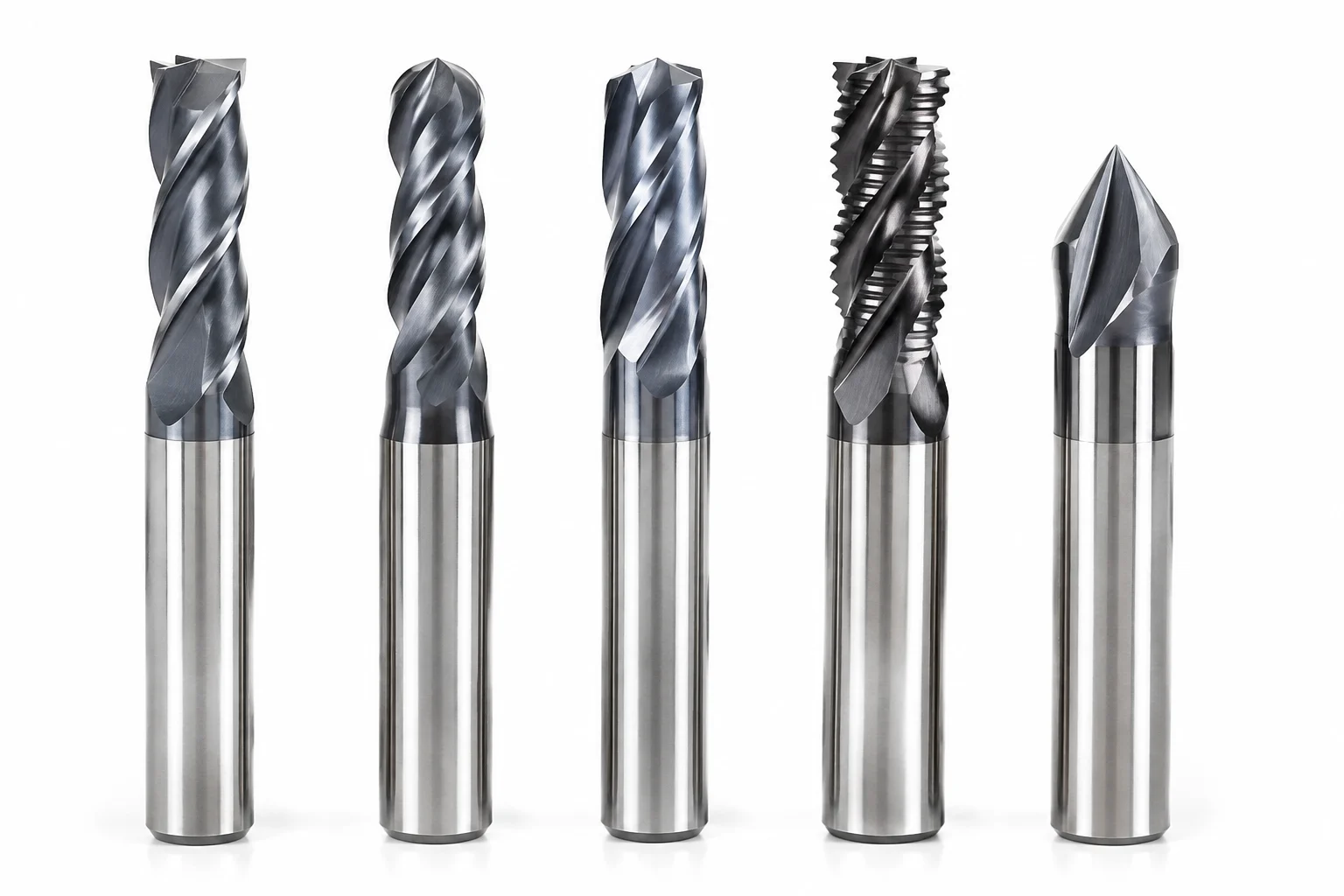
Endmills are primarily classified as flat, ball-nosed, corner-radiused, and specialized tools like chamfer, roughing, or tapered endmills. Their unique geometries dictate their cutting applications, from high-precision finishing to bulk removal of material.
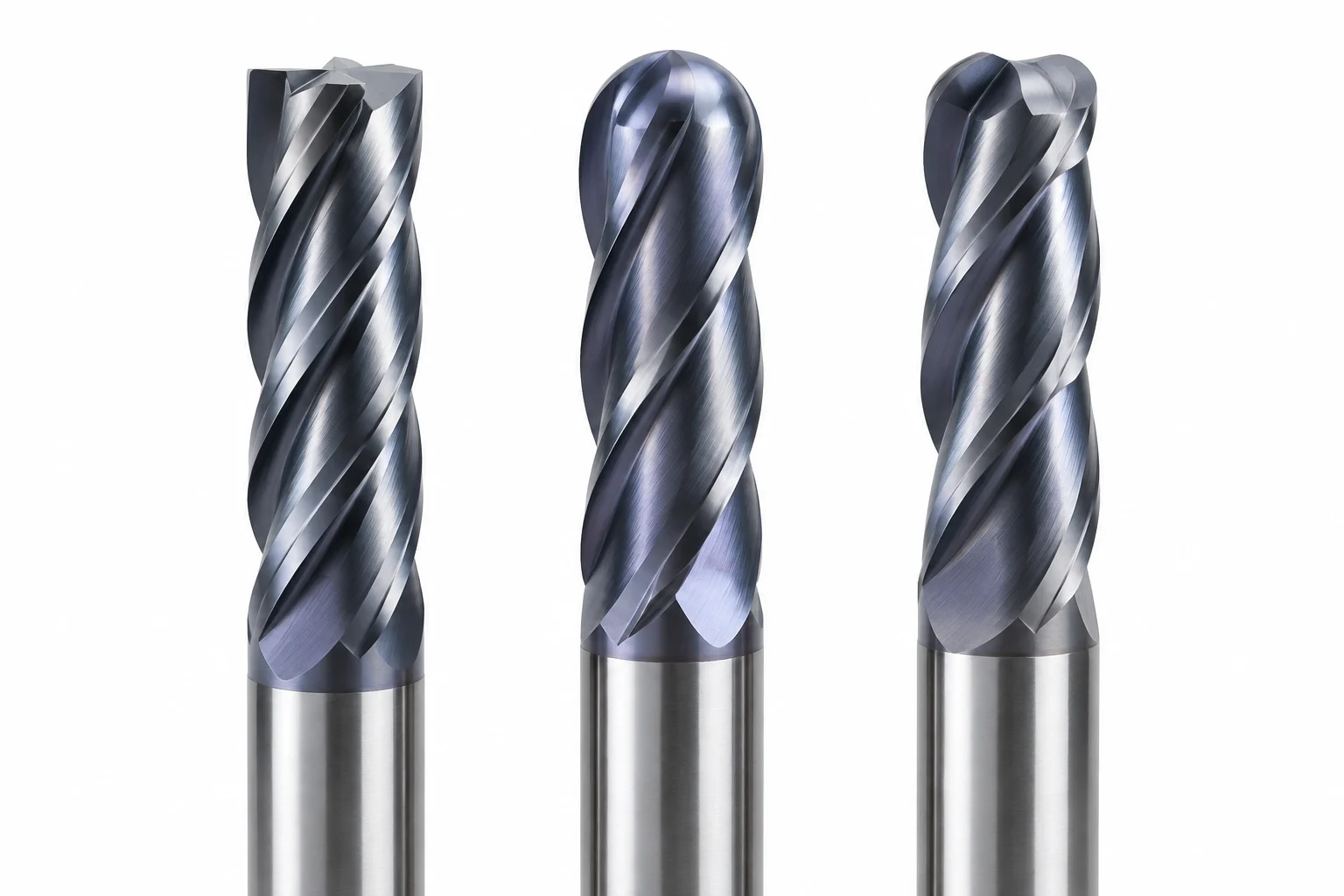
Flat Endmills
Ball-Nosed Endmills
Corner-Radiused Endmills
These tools bridge the gap between flat and ball-nosed designs. They are suitable for operations where strength is critical, as the rounded edges reduce chipping.
Roughing Endmills
Designed for aggressive material removal, roughing endmills often feature serrated cutting edges. They speed up the machining process for stock removal but leave a coarse surface finish.
Chamfer and Tapered Endmills
Chamfering endmills create beveled edges, while tapered versions are great for engraving or machining narrow angles on intricate parts.
Understanding which type of endmill matches your task directly impacts efficiency and production quality — so take the time to evaluate your needs accurately.
Common Purchasing Misconceptions
When buying endmills, procurement teams often make decisions based on price alone or focus on brand reputation without verifying material and design compatibility.
Purchasing mistakes like overprioritizing cost savings or relying solely on marketing claims can undermine productivity and tool life. Instead, pay attention to material quality, geometry, and the compatibility of tools for specific machining tasks.
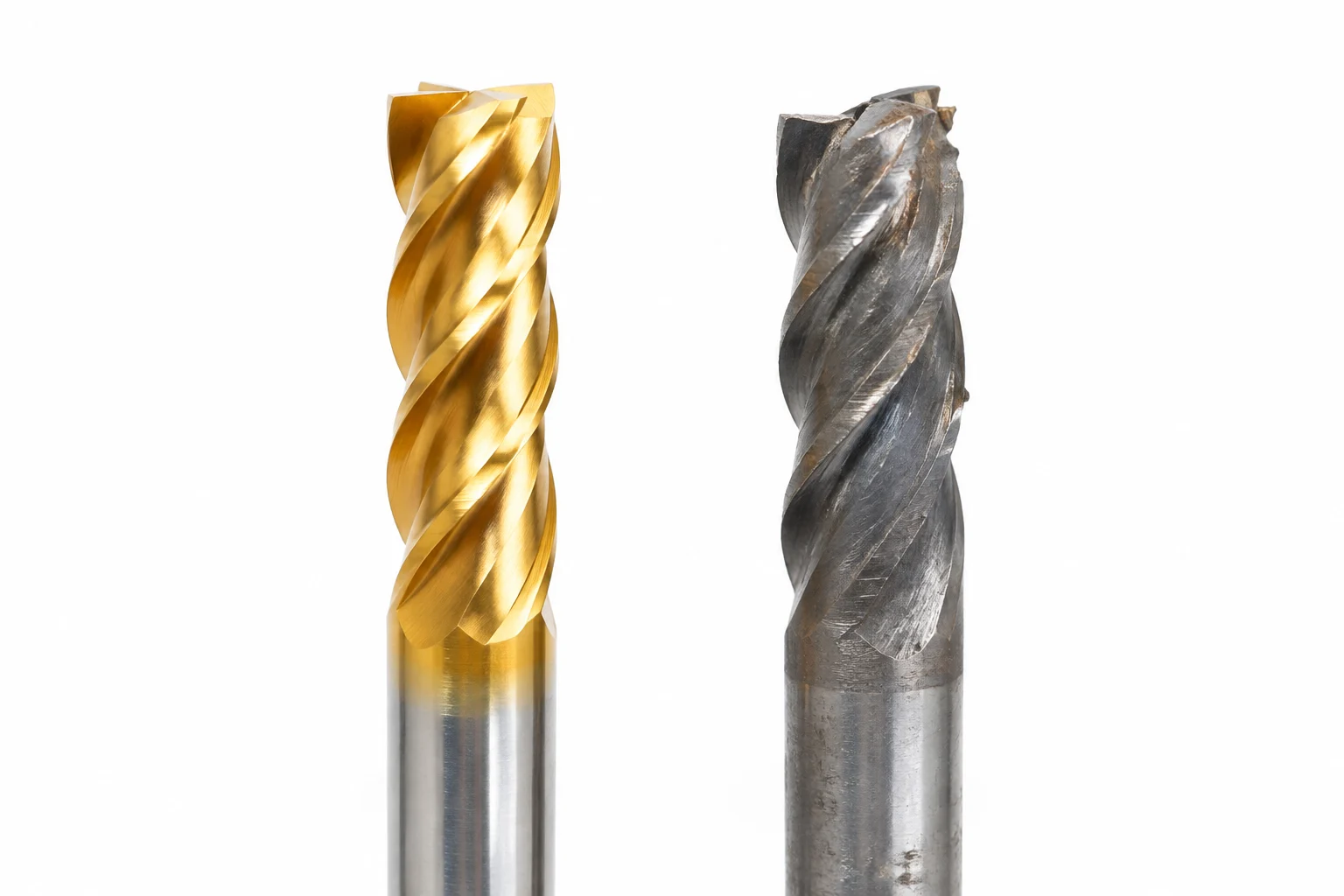
Misconception 1: Cheaper Always Saves Costs
Many buyers assume purchasing lower-cost endmills saves money. However, this can backfire, as cheaper tools may use powders like recycled carbide, resulting in shorter durability and frequent replacements. These hidden costs quickly outpace the initial savings.
Misconception 2: One Size Fits All
Some buyers believe that a single, all-purpose endmill can handle diverse machining tasks. While tempting for inventory simplicity, this approach sacrifices efficiency and precision in specialized operations.
Misconception 3: Marketing Over Material Quality
Procurement officers sometimes rely on glossy brochures or vendor assurances without verifying the material composition and quality standards of the tool. This can lead to disappointment when the tool’s performance doesn’t meet expectations.
Misconception 4: Neglecting Supplier Expertise
Rushing decisions without communicating with the supplier can result in mismatched tools that fail under intended operating conditions. A supplier with expertise can guide buyers toward better choices.
To counter these misconceptions, buyers need a balanced approach, factoring in quality, material compatibility, and intended use — not just price or superficial claims.
Material Quality and Tool Life
Quality is king when it comes to endmills. The material composition of an endmill directly impacts its performance, durability, and your bottom line.
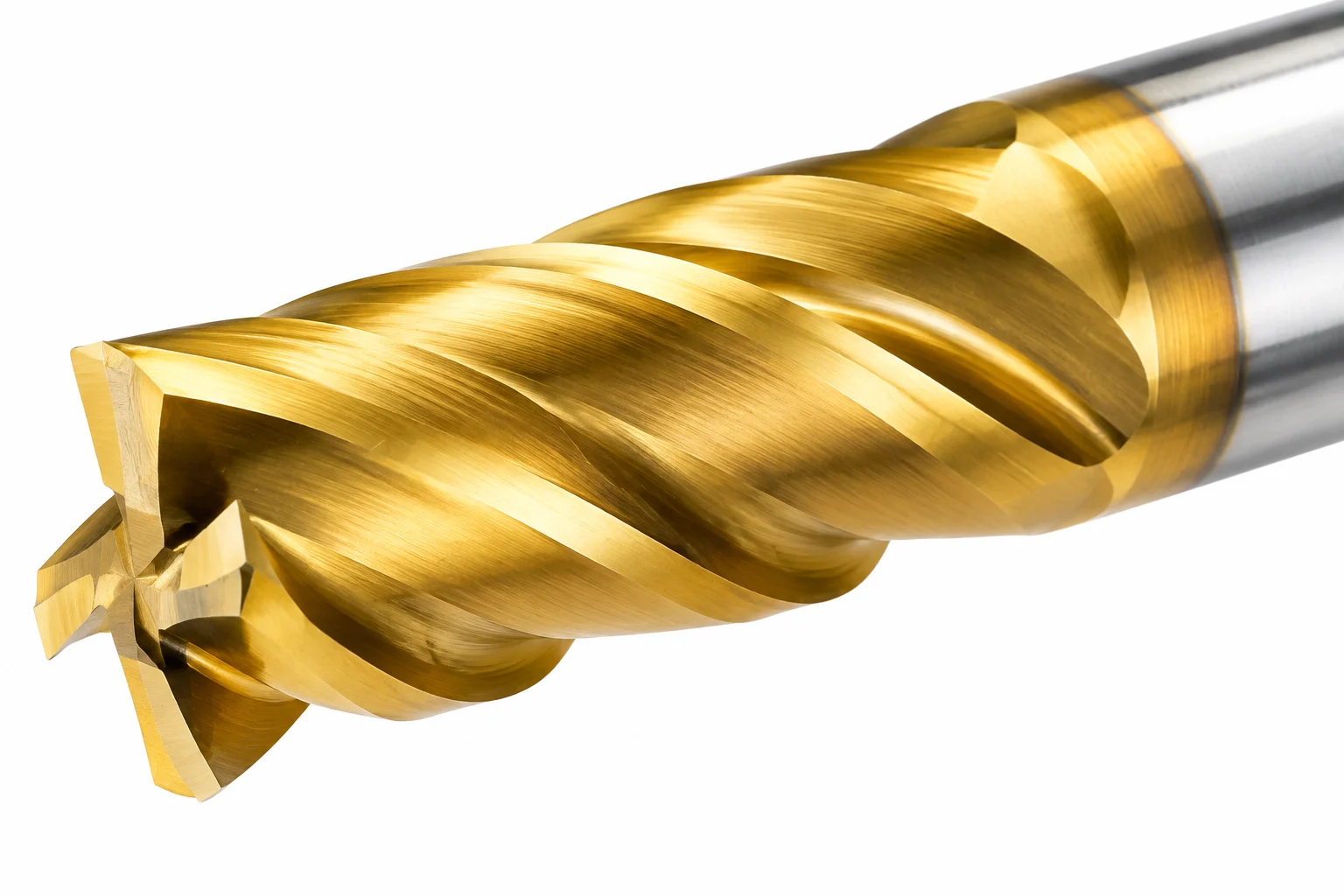
How Material Impacts Tool Life
- Tungsten carbide strength: Uncontaminated carbide offers excellent hardness and heat resistance.
- Grain size: Uniform fine grains increase toughness, while larger grains favor extreme durability.
- Cobalt binders: High cobalt content improves chip resistance without compromising rigidity.
Why Cheaper Materials Cost More
Recycled carbide tools may initially seem affordable but frequently fail during heavy machining tasks. These tools often lead to increased vibration, poor surface finish, and multiple replacements. Predictable higher costs in long-term operations overshadow the benefits of the cheap upfront pricing.
Mitigating Costs with Quality
Investing in premium endmills with consistent material properties reduces the risk of unscheduled stoppages and tool wear. Factory certifications and third-party material analysis also help verify the claims made by suppliers. Always ask for verifiable technical documentation.
How to Choose the Right End Mill
A methodical selection process ensures your chosen endmill performs optimally for its intended application.
Choosing the right endmill involves evaluating your machining needs, verifying material compatibility, and collaborating with a trusted supplier who understands your production challenges.
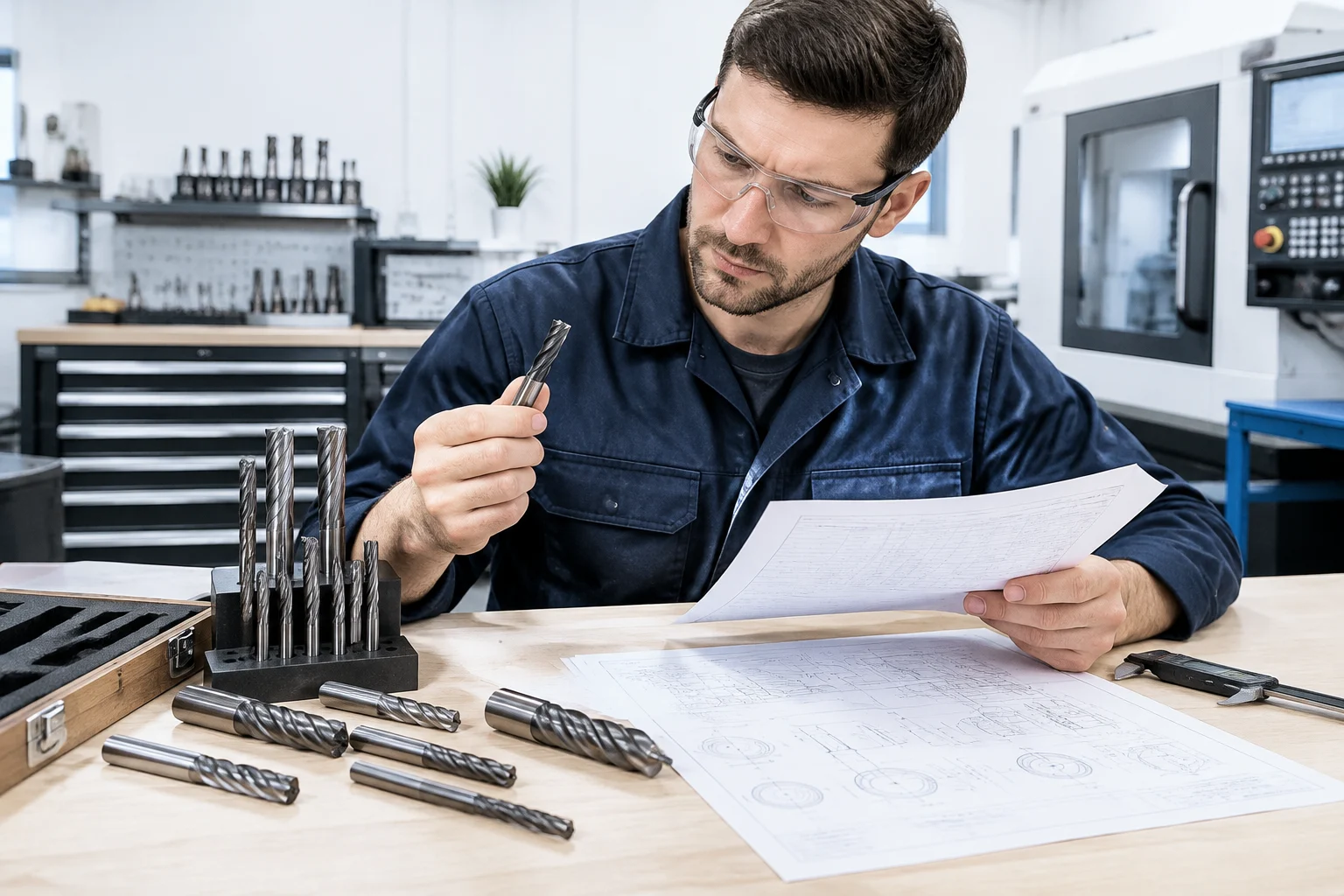
Key Selection Criteria
- Application: Define whether the tool is for roughing, finishing, or specialized machining.
- Workpiece Material: Match endmill material properties to workpiece hardness and machinability.
- Tool Geometry: Select geometries optimized for your specific cuts, angles, or profiles.
- Coatings: Consider wear-resistant coatings like TiN or AlTiN for high-speed operations.
- Supplier Expertise: Engage with suppliers who offer technical advice tailored to your needs.
Questions to Ask
- Is the tool made of high-grade carbide with consistent quality data?
- What’s the recommended cutting speed and feed for this endmill?
- What relevant certifications or material tests are available?
- Can the supplier analyze your specific machining challenges for a custom recommendation?
With these questions, buyers make more strategic decisions, ensuring efficiency and reducing long-term operational costs.
Frequently Asked Questions
What’s the most durable type of endmill?
Ball-nosed endmills and corner-radiused designs often last longer in applications prone to tool wear, thanks to their rounded edges minimizing chipping.
Why does endmill material matter?
Endmill material determines hardness, heat resistance, and durability. High-quality tungsten carbide provides the best performance under demanding machining conditions.
Are coated endmills worth the extra cost?
Yes, coatings like AlTiN or TiN extend tool life significantly and improve cutting performance in high-speed operations, though their benefits depend on the application.
How do I know if my supplier offers quality tools?
Verify certifications, request technical documentation on material composition, and ask about collaboration for application-specific recommendations.
Can I use the same endmill for all tasks?
No, endmills have specialized designs for different machining needs. Matching the tool type to the task ensures higher precision and efficiency.
Conclusion
In metalworking, selecting the right endmill is critical to achieving both cost-efficiency and precision. Balancing material quality, tool geometry, and workpiece compatibility ensures longer tool life and improved performance. Investing in high-quality endmills, supported by expert supplier guidance, reduces downtime and total costs in the long run.
For tailored recommendations or more information about carbide tooling solutions, contact our team at QT Tools today!
References
- End mill — Wikipedia
- What Is a Flat End Mill Used For? CNC Milling Applications — cutterbest.com
- The In’s & Out’s of Ball Nose End Mills — GWS Tool Group
- Effect of grain size and cobalt content on machining performance during milling tungsten carbide with PCD tool — ScienceDirect
- Machining Accurate Deep Curved Forms on Tungsten Carbide–Cobalt (WC-Co) Eliminating Tool Wear in the Electrical Discharge Turning Operation — PMC