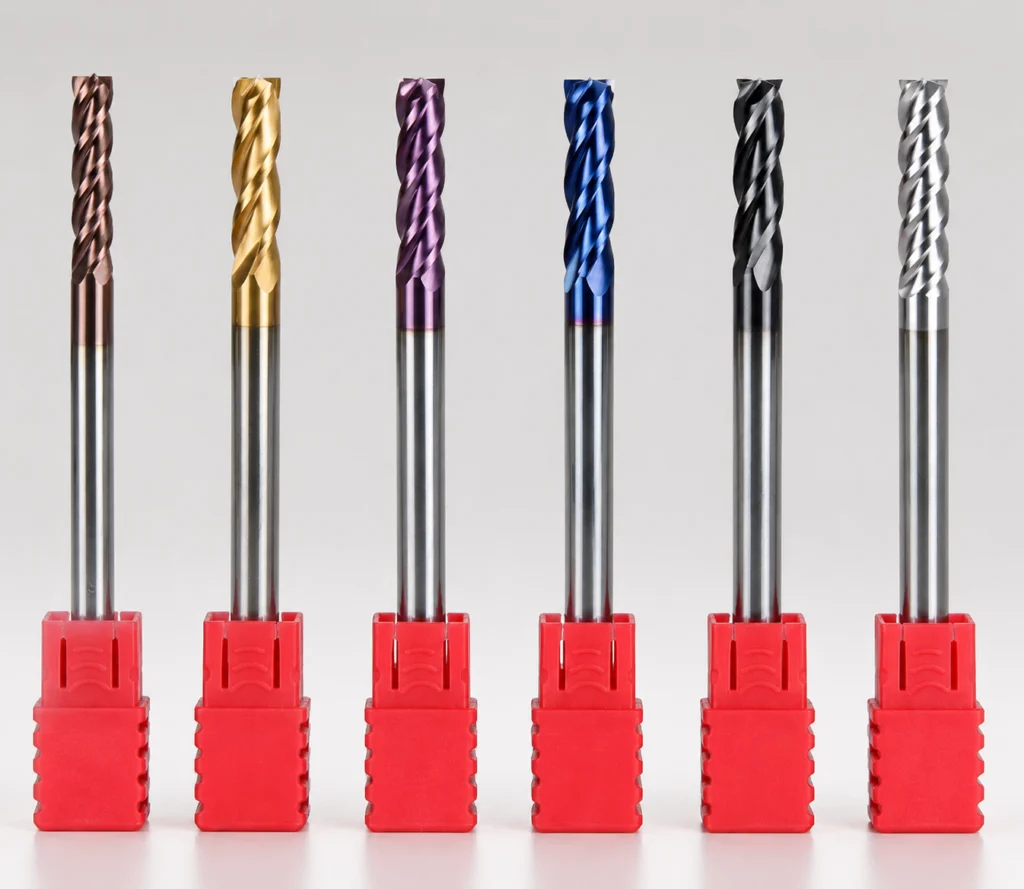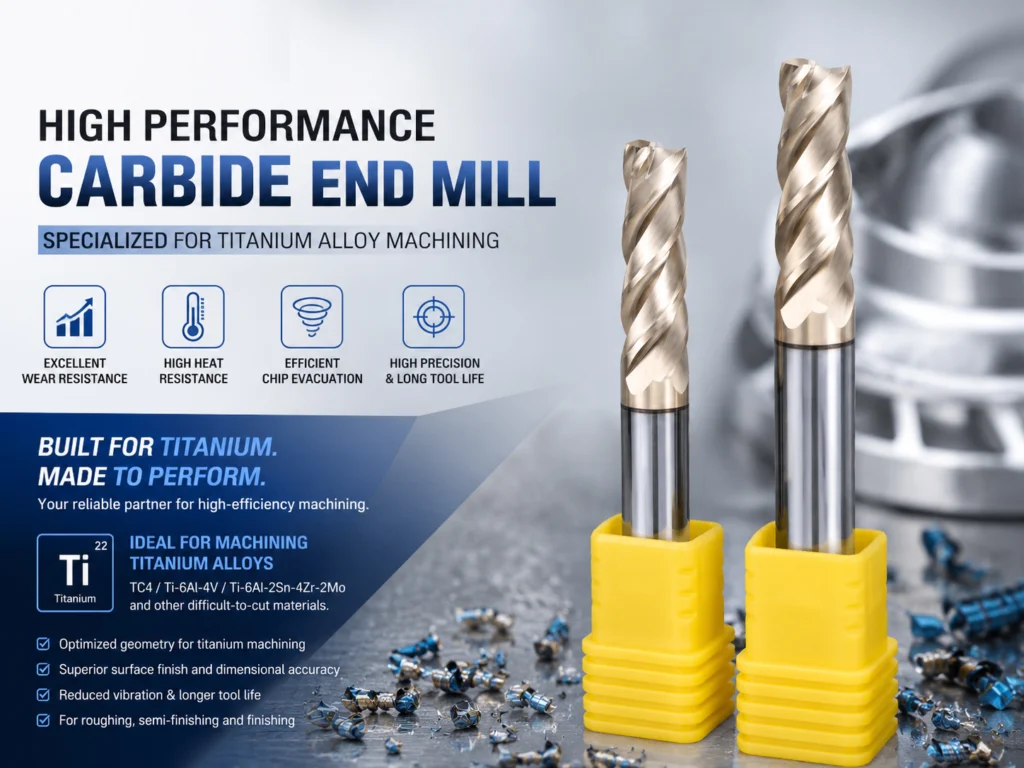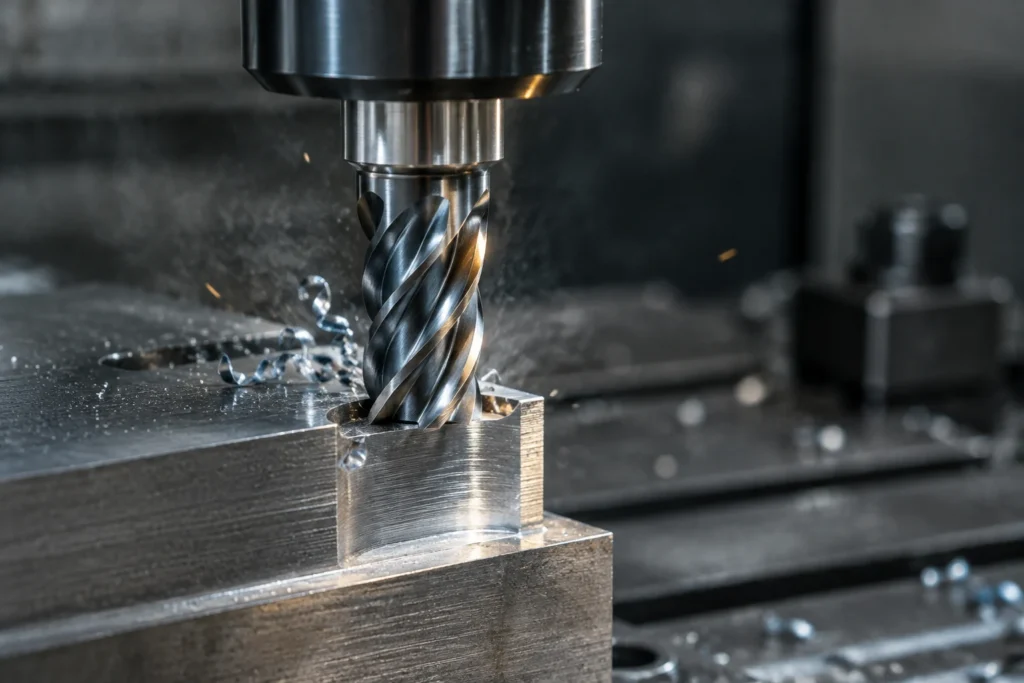
Machining processes are central to manufacturing, yet poor tool selection often creates hidden costs and bottlenecks. Choosing tools solely based on upfront cost without considering specific machining requirements can lead to inefficiency and reduced ROI. A focus on performance, scenario-based needs, and equipment compatibility is vital for long-term operational success.
General machining guidelines emphasize aligning tool selection with application-specific demands, equipment compatibility, and cost-performance balance. Neglecting these fundamentals can lead to inefficiencies, reduced quality, and unexpected expenses in manufacturing workflows.
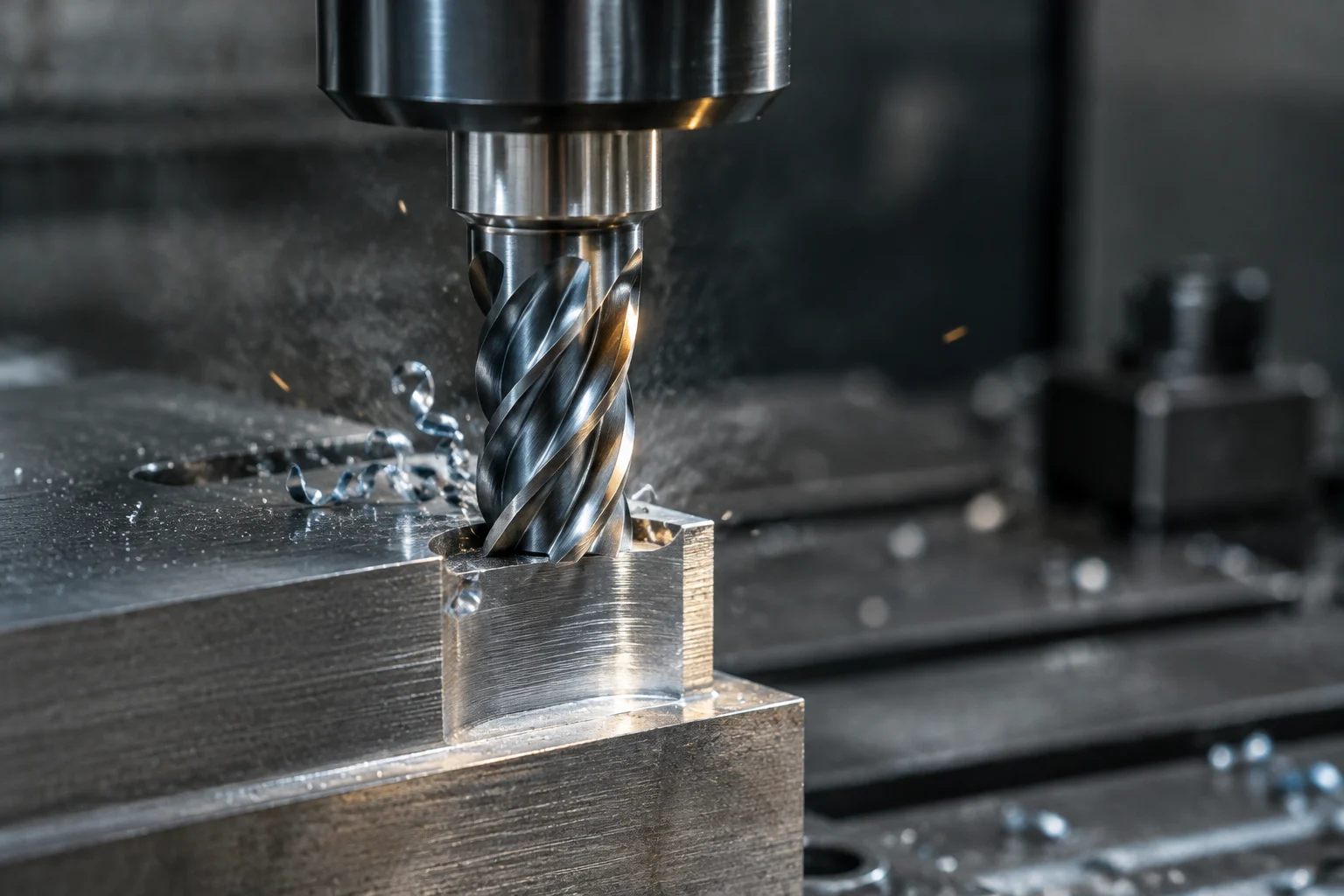
While the answer above provides a high-level summary, let’s dive deeper into what procurement professionals and managers need to know for optimal decision-making in machining processes.
Why Should Cost Not Outweigh Performance in Tool Selection?
Focusing solely on upfront costs may seem budget-friendly, but it often creates problems that outweigh the initial savings.
Performance-driven machining tool selection ensures better efficiency, longer tool life, and higher-quality output, reducing operational costs over time. Procurement processes should recognize the hidden costs of subpar tools, from poor surface finishes to frequent tool replacements.
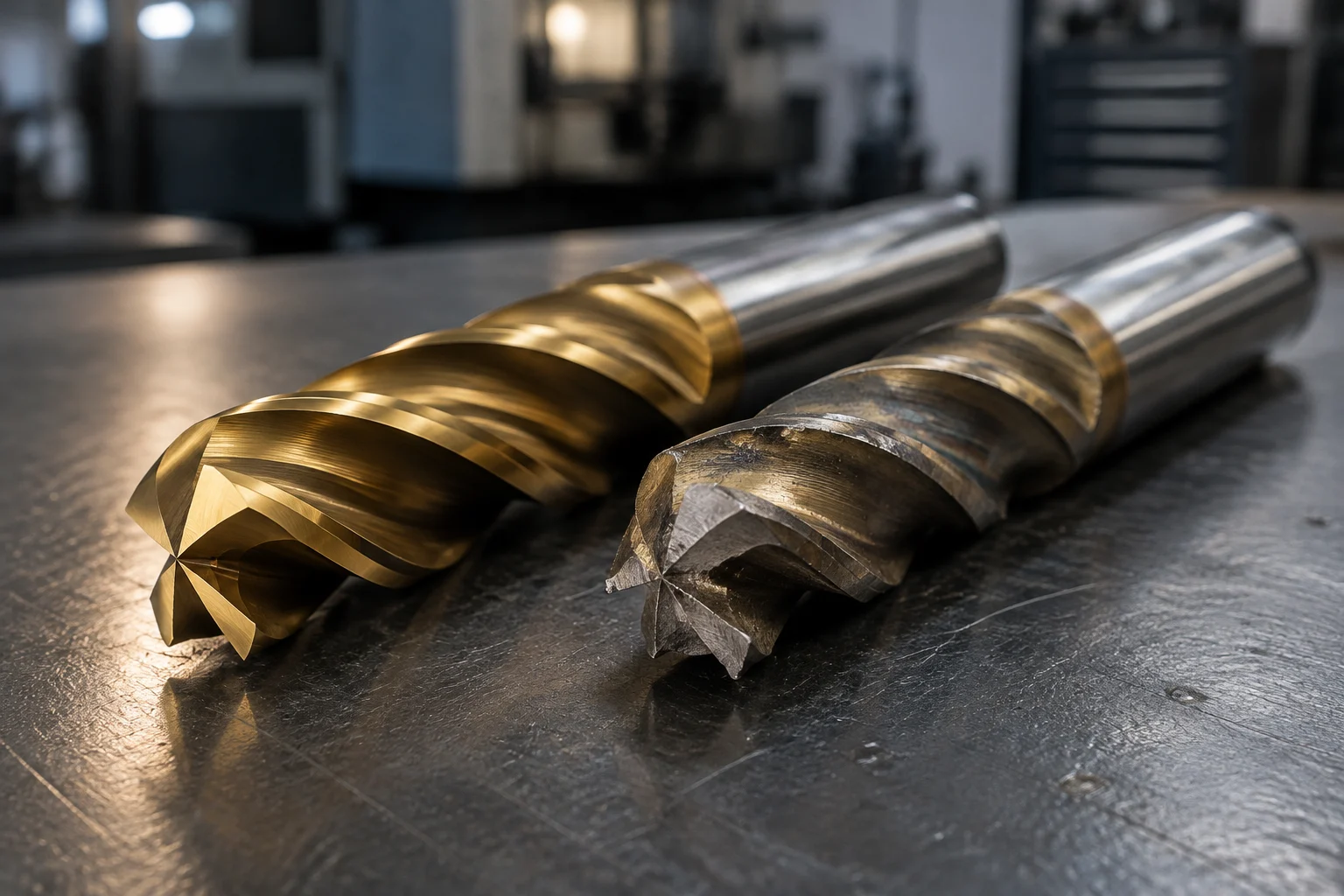
The Pitfalls of Prioritizing Cost Over Performance
Choosing the cheapest option without technical evaluation often results in tools wearing out faster or performing inadequately. For instance:
- Shorter tool lifespan: Cheaper tools tend to wear down quickly, necessitating frequent replacements.
- Higher downtime: Poor-quality tools may break or fail to deliver consistent results, increasing downtime for replacement and recalibration.
- Compromised finish quality: Suboptimal tools often result in uneven cuts or rough finishes, requiring additional corrective processes.
Failure to prioritize performance impacts the Total Cost of Ownership (TCO). A higher-quality tool might cost more upfront but delivers predictable performance, reduces auxiliary costs, and guarantees longer operational reliability.
Are Machining Tools Truly Universal?
Many assume machining tools can serve multiple purposes across diverse applications, but this isn’t always the case.
Machining tools are rarely universal tools. Their efficacy depends on the material being machined, tool geometry, coating, and machine capabilities. Understanding their strengths and limitations is essential for ensuring proper application.
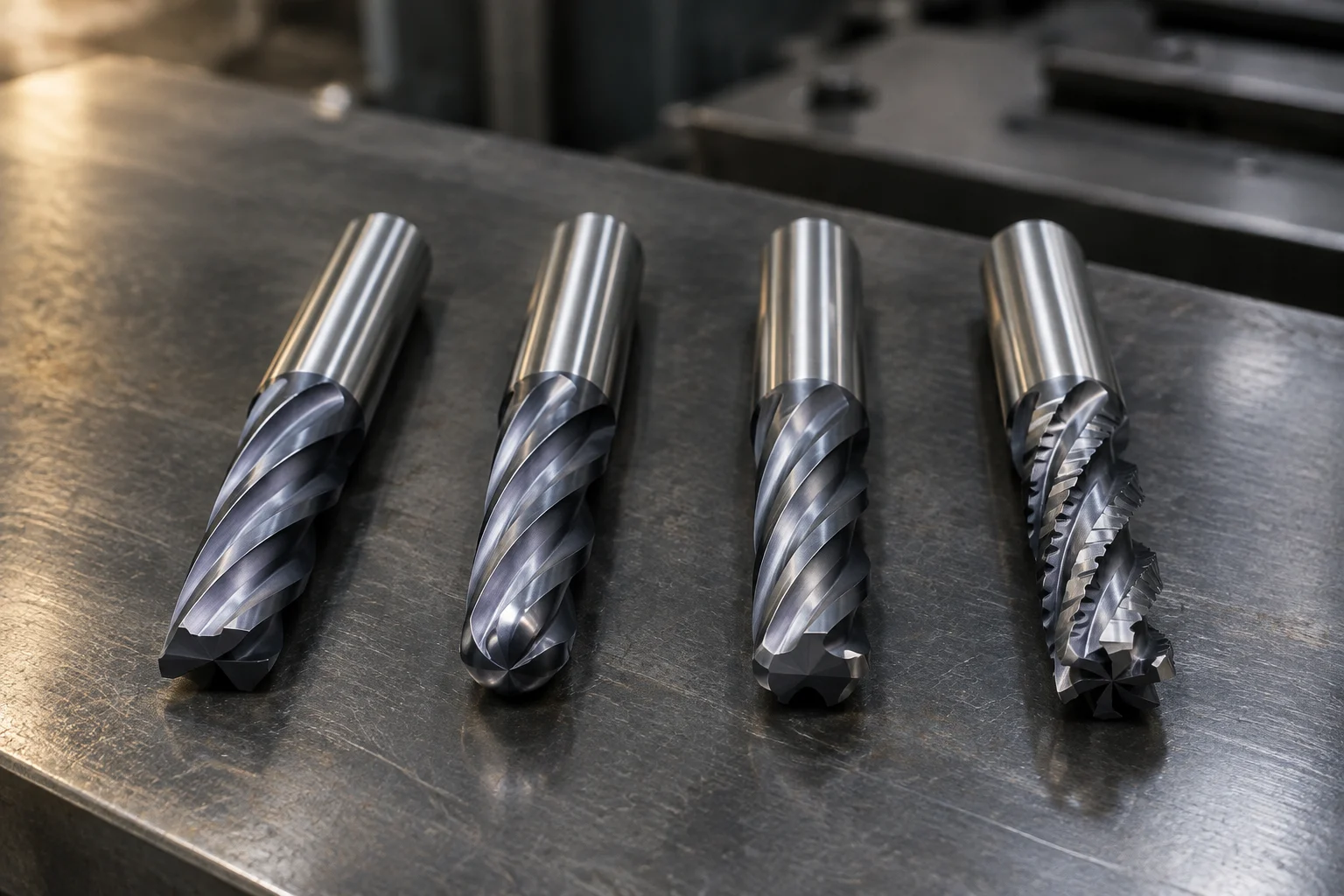
Specialized Applications Require Specialized Tools
Here are a few critical factors that affect universal applicability:
- Material type and hardness: A tool designed for soft materials like aluminum might fail entirely when used on hardened steel.
- Tool geometry and coating: Specific geometries and coatings optimize chips’ evacuation, surface finish, or thermal resistance.
- Load-bearing capabilities: Some tools perform well under lighter workloads but deform under higher stress.
When a Universal Tool Falls Short
Picture a manufacturer optimizing a single setup for both stainless steel and carbon steel parts. Without tailored tools for each material, the process could result in something as costly as reduced precision or premature tool failure—impacting material costs and customer satisfaction.
How Do Equipment Constraints Affect Machining Outcomes?
Even the best tools may perform poorly if they’re incompatible with the machine they are paired with.
Equipment-specific compatibility is crucial for machining success. Tools poorly matched to spindle speed capabilities, power ratings, or rigidity often result in inefficiencies despite appearing optimal for the job on paper.
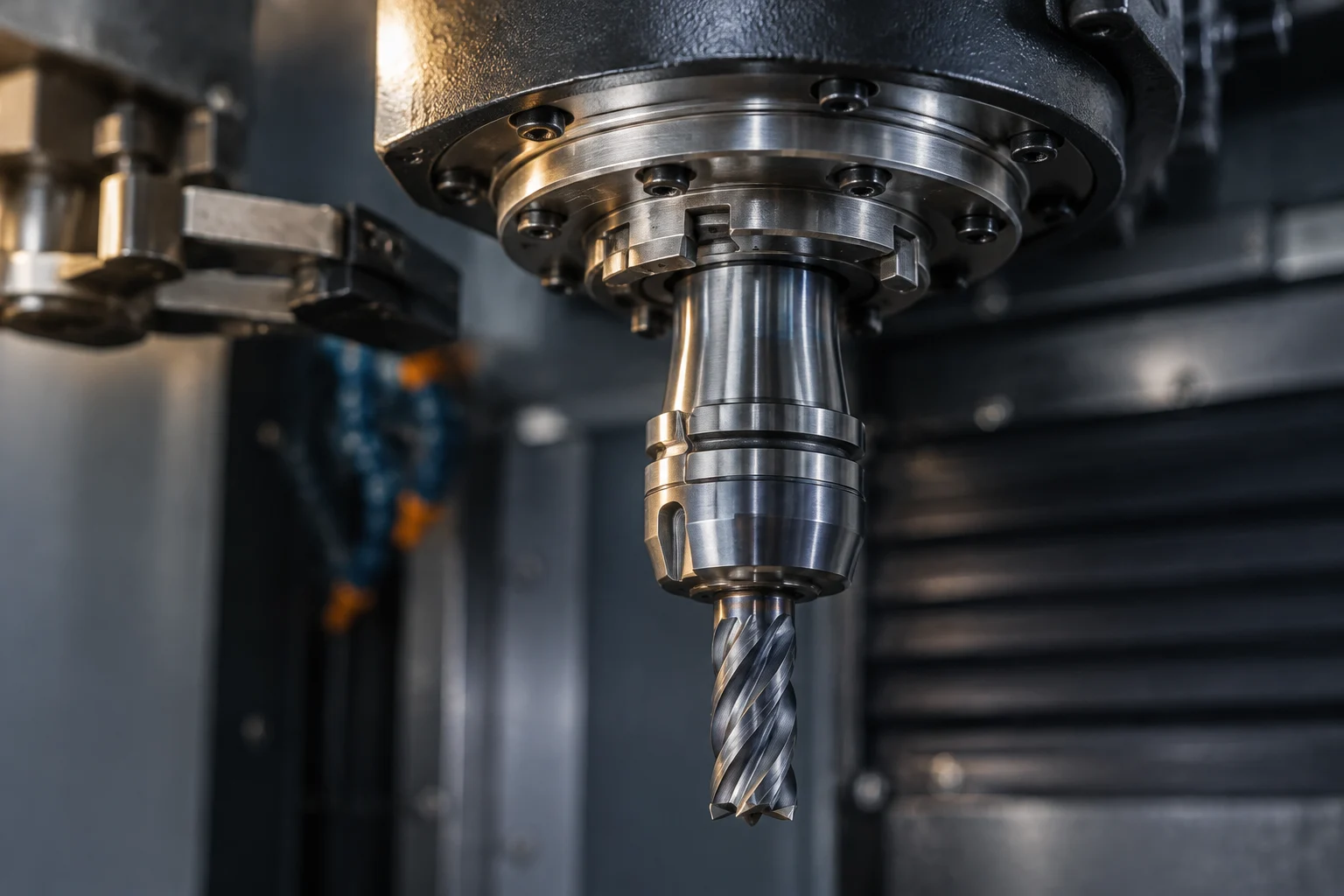
Misalignments Between Equipment and Tools
Common mismatches often observed in customer interactions include:
- Using high-speed tools on low-RPM spindles leads to poor cuts and increased wear.
- Misfit tools unable to withstand vibration or machine rigidity, causing chatter and rough finishes.
- Overloading machines designed for fine precision with heavyweight cutting operations, resulting in breakdowns.
A Real-World Example: Tool Mismatch
A customer once purchased carbide tools when their equipment lacked the rigidity to support carbide-level feed rates and cutting pressure. As a result, tools demonstrated accelerated wear, rendering the investment inefficient. An alternate high-speed steel tool would have balanced the material capabilities with machine limitations more appropriately.
How Do Procurement Mistakes Create Measurable Losses?
Procurement errors in machining tool selection can ripple through several aspects of a production cycle.
Incorrect machining tools undermine productivity, reduce quality output, and inflate maintenance costs. Quantifying the impact involves considering tool replacements, defective goods, and delayed deliverables.
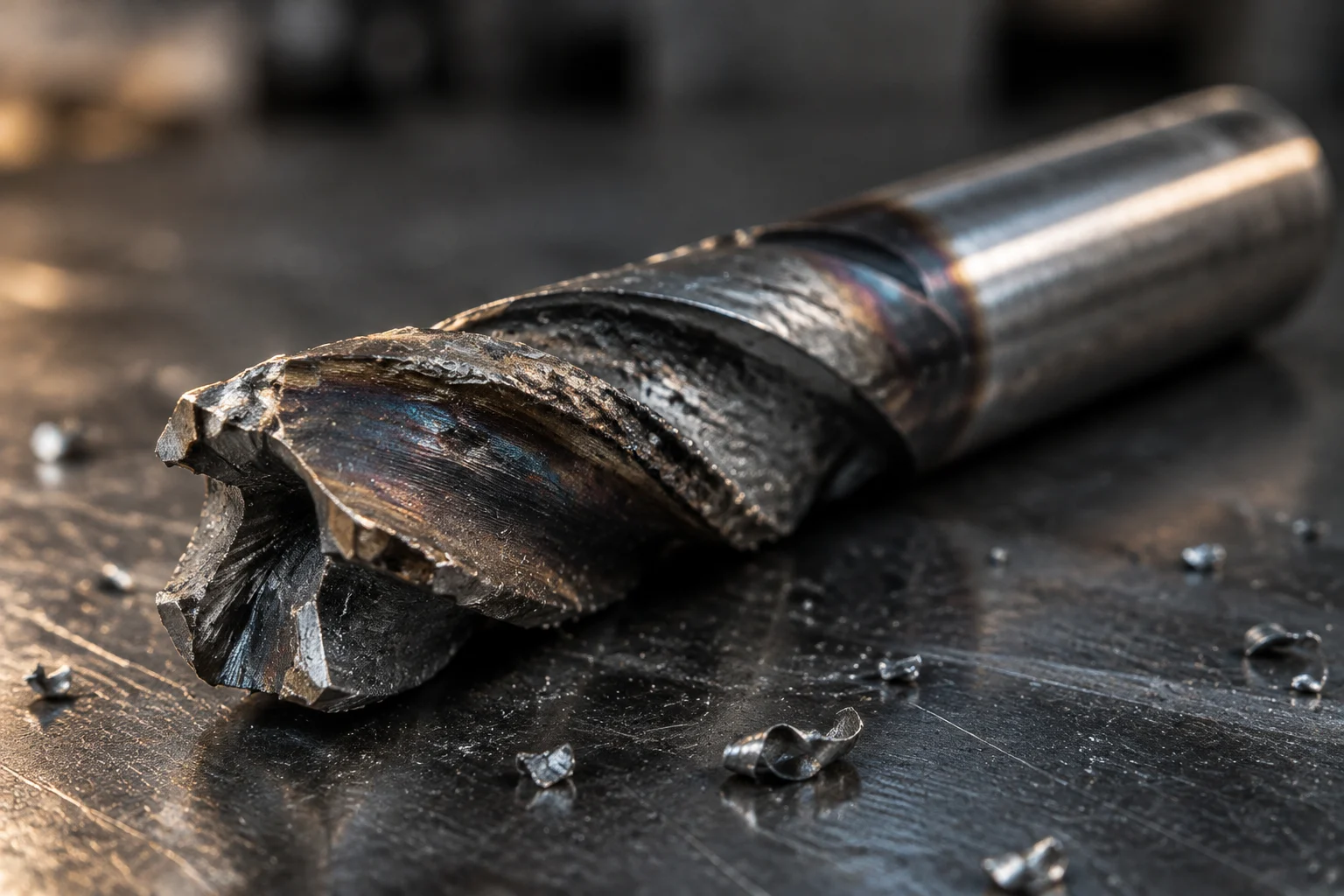
Scenarios Where Mistakes Cause Losses
Here are concrete examples of errors with measurable consequences:
1. Downtime Costs:
Selecting tools prone to frequent failure can extend downtime for repairs, recalibration, or rescheduling.
2. Quality Rejections:
Using tools incompatible with material specifications often leads to defective products that fail customer inspections.
3. Maintenance Budgets:
A mismatch in tooling can accelerate wear rates on both tools and machinery components, raising repair costs over time.
Quantifying Business Risks
Let’s say a manufacturer faces 10% higher downtime over a financial quarter due to repeated tool failures, leading to missed production deadlines. If hourly machine cost is $100/hour, downtime alone could cost approximately $30,000 when averaged across typical production schedules. These ripple effects make procurement decision-making critical to operational success.
Frequently Asked Questions
What is the most overlooked factor in machining tool selection?
Many decision-makers overlook the importance of matching tools to machine capabilities. The machine’s speed, power rating, and rigidity should dictate tool choices to avoid inefficiencies caused by mismatches.
Can cheap machining tools ever be worth considering?
In some scenarios, low-cost tools may suffice for non-critical processes like prototype development or short production runs. However, for large-scale or precision manufacturing, performance-driven tools offer better lifetime value.
Why are coatings on machining tools important?
Tool coatings enhance heat resistance, reduce tool wear, and improve finish quality. For example, titanium nitride (TiN) coatings can extend tool lifespan significantly when working with abrasive materials.
Conclusion
Effective general machining guidelines emphasize aligning tool selection with application specifics, equipment compatibility, and cost-performance balance. Prioritizing upfront cost over long-term efficiency can lead to downtime, quality issues, and inflated budgets. Investing in appropriate tools for your specific machinery and materials helps mitigate these risks and improves operational ROI.
Looking for expert advice on selecting carbide tools tailored to your needs? Contact QT Tools today to optimize your machining precision and performance!